

Root canal is one of those dental procedures that’s built up a scary reputation, mostly from old stories, outdated information, and a whole lot of misunderstanding. Ask anyone about it, and you’ll almost certainly get a grimace. But here’s the truth: root canal treatment is one of the most effective ways to save a tooth, relieve pain, and protect your oral health. And in most cases, it’s far less dramatic than people expect.
At Nairobi Sterling Dental Clinic, we’ve had many patients walk in nervous about the procedure, only to leave wondering what all the fuss was about. Here, we set the record straight and tackle the most common myths about root canal treatment, one by one.
What Is a Root Canal?
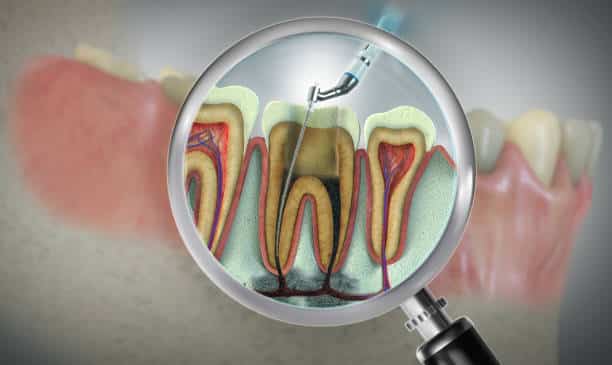
Inside every tooth, beneath the hard outer enamel and the layer called dentine, there’s a soft inner chamber called the pulp. This pulp contains nerves, blood vessels, and connective tissue. When the pulp gets infected or inflamed, usually due to a deep cavity, a cracked tooth, or injury, it can cause significant pain and, if left untreated, lead to an abscess or even tooth loss.
A root canal treatment removes the infected or damaged pulp, cleans and shapes the inner canals, and seals the tooth to protect it. The goal for this treatment is to save your natural tooth and get you out of pain.
Myth 1: Root Canals Are Extremely Painful
This is probably the biggest myth about root canals. The idea that root canals are agonising comes from a time when dental anaesthesia wasn’t as advanced as it is today. Modern root canal treatment is performed under local anaesthesia, which means the area is completely numb before the dentist begins. Most patients report feeling little to no pain during the procedure itself.
The pain people associate with root canals is usually the pain caused by the infection that made the treatment necessary in the first place. The root canal doesn’t cause that pain. It relieves it. There may be some mild soreness for a day or two afterwards, but this is easily managed and a sign that the body is healing.
Myth 2: It’s Better to Just Pull the Tooth
Some people think that extracting the tooth is a simpler, cheaper, or less troublesome option. While tooth extraction may sometimes be the right call, keeping your natural tooth is almost always the preferred option. Root canal treatment makes that possible.
Natural teeth are designed to last a lifetime. They help you chew properly, maintain the alignment of surrounding teeth, and preserve the jawbone. Once a tooth is extracted, you’ll need a replacement, such as a dental implant, bridge, or denture, to avoid the knock-on effects of a gap in your smile.
Root canal treatment, followed by a dental crown, can restore your tooth to full function and keep it in place for many years. In the long run, saving the tooth is often both more cost-effective and better for your overall oral health.
Myth 3: Root Canals Cause Illness
There’s a persistent claim circulating online that root canal treatment can cause systemic illness or disease elsewhere in the body. Modern dental science, along with major dental organisations worldwide, has thoroughly reviewed this topic and found no credible evidence linking root canal treatment to any systemic health conditions. If anything, it’s the untreated dental infection that poses a risk to overall health. Leaving an infection unchecked can allow bacteria to spread, which is why prompt treatment matters.
Myth 4: The Results Don’t Last Long
Another common misconception is that a root canal-treated tooth won’t last and will eventually need to come out anyway. This simply isn’t true when the treatment is done properly and followed up with good care.
With the right aftercare, a root canal-treated tooth can last a lifetime. Tehse after care include: placing a dental crown to protect the treated tooth, maintaining good oral hygiene, and attending regular dental check-ups. The key is not to neglect it once treatment is done.
Myth 5: You Only Need a Root Canal If Your Tooth Hurts
Pain is a common signal that something is wrong, but it’s not the only one. With root canal and any other dental problem, sometimes there’s no pain at all. A tooth with a dead or dying nerve may actually stop hurting as the nerve loses function, even while the infection continues to grow.
Other signs that you may need root canal treatment include prolonged sensitivity to hot or cold, darkening of the tooth, swelling or tenderness in the nearby gums, or a small pimple-like bump on the gum. This is why regular dental check-ups are so important. Your dentist can spot what you can’t feel yet.

When Should You See a Dentist?
Don’t wait for the pain to become unbearable. Book an appointment if you notice any of the following:
- A persistent toothache or throbbing pain, especially when chewing or applying pressure
- Sensitivity to hot or cold that lingers long after the source is removed
- A discoloured or darkening tooth
- Swelling, tenderness, or a bump on your gums near a tooth
- A loose tooth in an adult with no obvious cause
- A tooth that was previously injured, even if it doesn’t hurt right now
Catching these signs early makes treatment simpler, more comfortable, and more successful.
What to Expect During the Procedure
A root canal procedure typically takes one to two appointments, depending on the complexity of the case. Here’s a simple breakdown of what happens:
- Examination and X-ray – Your dentist will assess the tooth and take an X-ray to understand the extent of the infection.
- Anaesthesia – Local anaesthetic is applied to ensure the area is fully numb.
- Cleaning the canals- The infected pulp is carefully removed, and the canals are cleaned and shaped.
- Sealing the tooth – The cleaned canals are filled and sealed with a biocompatible material.
- Crown placement – In most cases, a dental crown is placed over the treated tooth to restore its strength and appearance.
The whole process is methodical and controlled. Your comfort is a priority throughout — so don’t hesitate to let your dentist know if you feel any discomfort at any stage.
You’re in Good Hands at Sterling Dental Clinic
At Nairobi Sterling Dental Clinic, root canal treatment is performed by experienced dental surgeons using modern equipment and techniques. Your comfort and the quality of your care are what matter most to us. We take the time to explain every step, answer your questions, and make sure you feel at ease before we begin.
If you’re experiencing tooth pain, sensitivity, or any of the warning signs mentioned above, please don’t delay. The sooner you come in, the better the outcome is likely to be. Book your consultation today by calling us on 0762 223 925 or visiting us at Park Suites Building, Parklands, Nairobi. Root canal treatment saves your teeth, and we are here to ensure you are safe.