
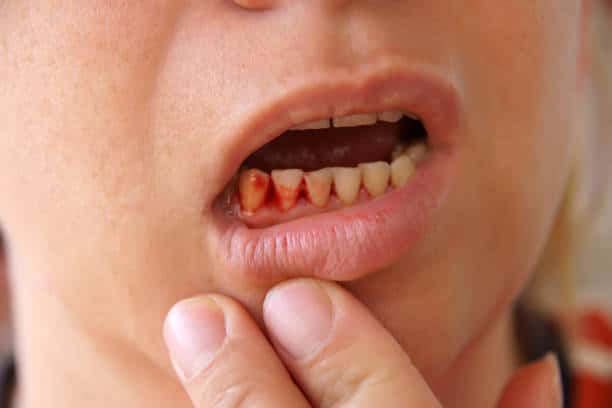
Why Your Gums Bleed When You Brush, And What To Do About It.
If you’ve ever spat out a little pink after brushing your teeth, you’re not alone. Bleeding gums are one of the most common dental concerns we hear about at Sterling Dental Clinic. It is also one of the most commonly ignored dental concerns. Many people assume it’s normal, or that they’re just brushing too hard, and carry on without a second thought.
But here’s something worth knowing: healthy gums don’t bleed. If yours do, your mouth is trying to tell you something. The good news is that in most cases, the cause is entirely treatable and often preventable.
The Most Common Reason: Plaque Buildup
The number one cause of bleeding gums is a condition called gingivitis. This is the earliest stage of gum disease. It happens when plaque, a sticky film of bacteria, builds up along the gumline and isn’t removed through regular brushing and flossing. Over time, this buildup irritates the gum tissue, causing it to become inflamed, tender, and prone to bleeding.
Contrary to popular belief, gingivitis often doesn’t hurt. You might not notice anything is wrong until you see blood on your toothbrush. This is exactly why bleeding gums should never be brushed off as “just one of those things.” The reassuring news, however, is that gingivitis is reversible. With proper cleaning, both at home and through a professional teeth cleaning at your dentist, the gums can return to full health.
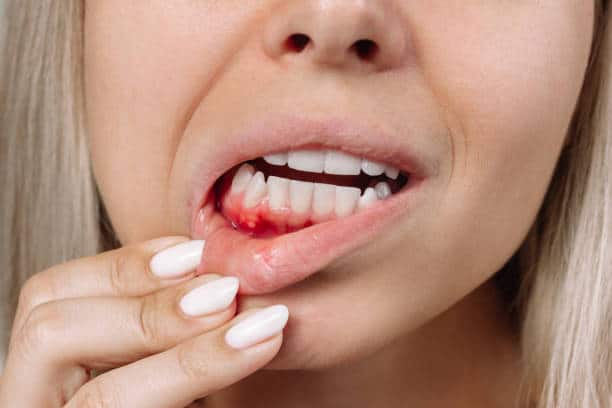
Other Reasons Your Gums Might Bleed
Plaque is the most common culprit, but it’s not the only one. Here are a few other reasons bleeding gums occur:
You’ve just started flossing.
If you haven’t flossed in a while and you pick it up again, your gums may bleed for the first few days. This is temporary and should settle within a week or two as your gums adjust and get healthier.
Your toothbrush is too hard.
A hard-bristled brush used with aggressive pressure can irritate and damage gum tissue. Dentists generally recommend a soft-bristled toothbrush and gentle, circular motions — not vigorous scrubbing.
Hormonal changes.
Pregnancy, puberty, and certain phases of the menstrual cycle can make gums more sensitive and more likely to bleed. This is sometimes called “pregnancy gingivitis” and is more common than many people realise.
Certain medications.
Some medications, including blood thinners, can make gums bleed more easily. If you’ve recently started a new medication and noticed a change, it’s worth mentioning to both your doctor and your dentist.
Vitamin deficiencies.
Low levels of Vitamin C or Vitamin K can affect gum health and increase bleeding. Diet plays a bigger role in oral health than most people give it credit for.
Uncontrolled diabetes.
People living with diabetes are more susceptible to gum disease due to reduced ability to fight infection. If you have diabetes and struggle with bleeding gums, it’s important to manage both conditions together.
When Bleeding Gums Become a More Serious Concern
Gingivitis, if left untreated, can progress into periodontitis. This is a more advanced form of gum disease that affects not just the gums but the bone and tissue that hold your teeth in place. At this stage, the damage can become irreversible without professional intervention, and tooth loss becomes a real risk.
Signs that things may have progressed beyond simple gingivitis include:
- Gums that have pulled away or receded from the teeth
- Persistent bad breath that doesn’t go away with brushing
- Teeth that feel loose or have shifted position
- Pain when chewing
- Pus between the teeth and gums
If you’re experiencing any of these alongside bleeding gums, please don’t wait. You need to see a dental expert as soon as possible.
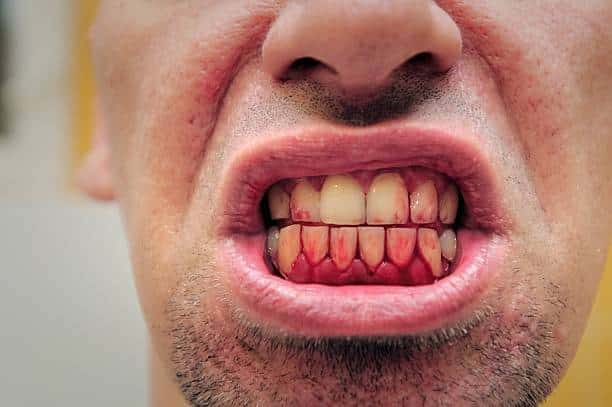
When Should You See a Dentist?
You should book a dental visit if:
- Your gums bleed regularly during brushing or flossing
- The bleeding doesn’t improve after two weeks of consistent, gentle brushing and flossing
- You notice swelling, redness, or tenderness in your gums
- Have any of the more advanced symptoms listed above
- You haven’t had a professional teeth cleaning in the last six months
Always remember that detecting gum disease early makes treatment far simpler, more comfortable, and more effective.
What You Can Do at Home
While nothing replaces a professional dental visit, there’s a lot you can do day-to-day to keep your gums healthy: Some of these precautions are:
Regular tooth brushing.
Brush twice a day using a soft-bristled toothbrush and fluoride toothpaste. Use gentle, circular motions and make sure you’re brushing along the gumline, not just the surfaces of your teeth.
Floss daily.
Flossing removes plaque and food debris from between the teeth and under the gumline. These are areas your toothbrush simply can’t reach. If traditional floss is tricky, interdental brushes or a water flosser work just as well.
Use an antibacterial mouthwash.
A good mouthwash can help reduce bacteria in the mouth and support gum health between brushing sessions.
Stay hydrated and watch your diet.
Drinking water, limiting sugary foods and drinks, and eating a balanced diet rich in vitamins all contribute to healthier gums.
Quit smoking.
Smoking is one of the biggest risk factors for gum disease. It reduces blood flow to the gums, masks bleeding, and significantly slows healing. If you smoke and have bleeding gums, this is an important conversation to have with your dentist.
How We Can Help at Sterling Dental Clinic.
At Nairobi Sterling Dental Clinic, one of the most effective treatments for bleeding gums is a professional teeth cleaning. This removes the hardened plaque (called tartar or calculus) that regular brushing can’t shift on its own. This removal allows the gums to heal and recover.
Our team will assess your gum health, identify the cause of the bleeding, and put together a personalised plan to get things back on track. We also make it a point to educate our patients on the best home care routine for their specific needs. This is because what happens between visits matters just as much as what happens in the chair.

Book Your Appointment Today
Bleeding gums are your mouth’s way of asking for help. Don’t ignore the signal. Whether it’s a routine cleaning or a more thorough assessment, we’re here to help. Need help with bleeding gums? We are here for you. Call us on +254 762 223 925 or visit us at our clinic, at the Park Suites, in Parklands, Nairobi.