
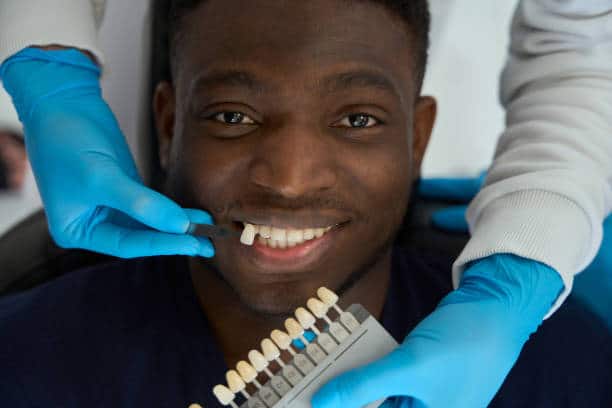
Dental crowns are one of the most versatile and commonly recommended treatments in dentistry, and yet they’re also one of the treatments patients tend to have the most questions about. What exactly is a crown? Does it hurt? How long will it last? Is it really necessary, or is a filling enough?
At Nairobi Sterling Dental Clinic, these are questions we answer regularly, and we think every patient deserves clear, honest answers before making any decision about their dental care. So we’ve put together this comprehensive FAQ to address everything you’re likely to want to know about dental crowns, in plain, straightforward language.
What is a dental crown?
A dental crown is a custom-made cap that fits over an existing tooth, covering it completely from the gumline upward. It restores the tooth’s shape, size, strength, and appearance, essentially giving a damaged or weakened tooth a new outer surface. Crowns are made from a range of materials, including porcelain, ceramic, metal alloys, or a combination, and are designed to look and function as close to a natural tooth as possible.
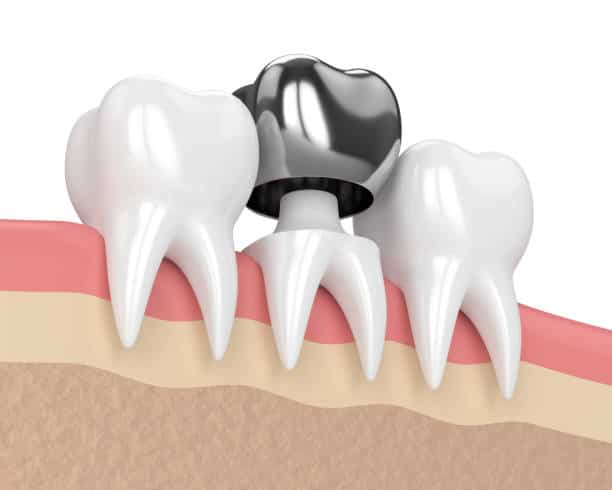
When do I need a dental crown?
There are several situations where a dental crown is the most appropriate solution. The most common include a tooth that has been significantly weakened by decay and can no longer be adequately restored with a filling alone; a cracked or fractured tooth that is at risk of breaking further; a tooth that has undergone root canal treatment and needs protection; a severely worn tooth due to grinding; or a tooth that is badly shaped or discoloured and requires a cosmetic solution. Your dentist will recommend a crown when it is genuinely the best way to save or restore the tooth — not as a first resort, but when simpler treatments are no longer sufficient.
Are dental crowns better than fillings?
Not necessarily better, just appropriate for different situations. Fillings are ideal for smaller areas of decay or damage where the majority of the tooth structure remains intact and healthy. A crown becomes the better option when the damage is more extensive, when a filling would leave the tooth structurally vulnerable, or when a tooth has already had a large filling that has failed or needs replacing. Think of it this way: a filling repairs part of a tooth, while a crown protects and restores the whole tooth. Your dentist will always recommend the most conservative treatment that will do the job effectively.
Is getting a dental crown painful?
This is one of the most common concerns we hear, and we’re happy to reassure you. The procedure itself is carried out under local anaesthesia, so the tooth and surrounding area are completely numb before any work begins. Most patients are surprised by how comfortable the experience actually is. You may feel some pressure or movement during the procedure, but pain is not something you should expect. After the anaesthesia wears off, some mild soreness or sensitivity around the tooth and gum is normal for a day or two and is easily managed. If discomfort persists beyond this, contact your dentist.
Can I get a crown immediately after a root canal?
In many cases, YES, though the timing depends on the individual situation. After root canal treatment, a tooth becomes more brittle and more vulnerable to fracture, which is precisely why a crown is usually recommended to protect it. At Sterling Dental, we assess each case individually. Sometimes a temporary crown is placed first while the tooth settles, and the permanent crown is fitted at a subsequent appointment. In other cases, the crown can be placed relatively soon after the root canal is completed. Your dentist will advise on the most appropriate timing for your specific situation.
What is the difference between a dental crown and a dental veneer?
Both crowns and veneers improve the appearance of teeth, but they serve different purposes and cover different amounts of the tooth surface. A veneer is a thin shell, typically made of porcelain, that covers only the front-facing surface of a tooth. It’s primarily a cosmetic solution, used to improve colour, shape, or minor alignment issues. A crown, on the other hand, covers the entire tooth and is used when there is a structural or functional concern as well as an aesthetic one. If your tooth is healthy but you’re unhappy with its appearance, a veneer may be the more appropriate and conservative option. If the tooth is damaged, weakened, or has undergone root canal treatment, a crown is typically the better choice.
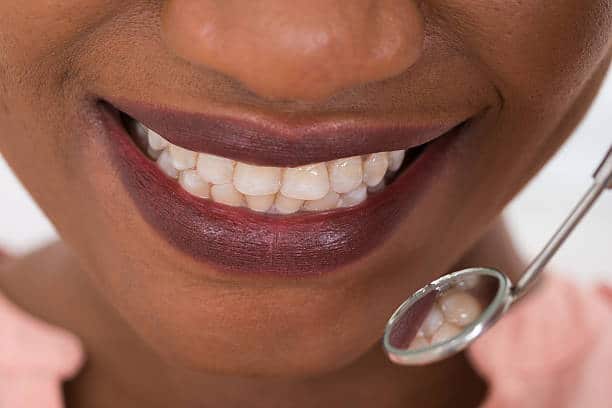
Are dental crowns suitable for front teeth?
Absolutely. Modern crowns, particularly those made from porcelain or ceramic, are highly aesthetic and can be colour-matched precisely to your surrounding teeth, making them virtually indistinguishable from natural teeth. At Sterling Dental, we take great care with the shade, shape, and fit of crowns on visible front teeth to ensure the result looks completely natural. Many patients are pleasantly surprised by how seamlessly a crown blends into their smile.
Do dental crowns stain over time?
Porcelain and ceramic crowns are generally resistant to staining and maintain their colour well over time, often better than natural tooth enamel. However, the natural teeth surrounding the crown can still discolour with age, diet, or lifestyle habits like smoking and coffee consumption, which may eventually create a mismatch in shade. This is worth considering if you’re planning to have teeth whitening done. Whitening should ideally be completed before a crown is fitted, so the crown can be matched to your newly whitened shade. Metal or metal-fused crowns may show a dark line at the gumline over time as the gum naturally recedes slightly with age, which is something to discuss with your dentist when choosing the material for your crown.
What happens if my dental crown becomes loose?
A loose crown should never be ignored. If your crown feels wobbly, has shifted position, or has come off entirely, contact your dental clinic as soon as possible. In the meantime, avoid chewing on that side of the mouth and keep the area clean. If the crown has come off completely, keep it safe — your dentist may be able to recement it depending on the condition of the tooth underneath. A loose crown can expose the underlying tooth to bacteria and decay, so prompt attention is important. At Sterling Dental, we accommodate urgent dental concerns and will advise you on what to do when you call.
Can a crowned tooth still get cavities?
The crown itself cannot decay, but the natural tooth structure beneath it can. The most vulnerable area is the margin where the crown meets the gumline. If plaque accumulates here and is not consistently removed through brushing and flossing, decay can develop at the base of the crown and work its way into the tooth underneath. This is one of the key reasons why good oral hygiene and regular dental checkups remain just as important after a crown is placed as before. Your dentist will check the margins of your crown at routine appointments to ensure everything remains intact and healthy.
How much do dental crowns cost?
The cost of a dental crown varies depending on the material used, the complexity of the case, and the specific tooth being treated. At Sterling Dental, we provide a clear, transparent treatment plan and cost breakdown before any work begins — so there are no surprises. We believe every patient deserves to understand what they’re investing in and why. If cost is a concern, speak to our team about your options. We’re happy to discuss phased treatment approaches where appropriate, and we can advise on whether your dental insurance covers any portion of the treatment.
How long do dental crowns last?
With proper care, a well-placed dental crown can last anywhere from ten to fifteen years, and in many cases, significantly longer. The longevity of a crown depends on several factors: the material it’s made from, the health of the underlying tooth, your oral hygiene routine, and lifestyle habits such as teeth grinding or chewing hard objects. Patients who attend regular checkups, maintain good home care, and avoid habits that put excessive stress on their teeth tend to get the most out of their crowns. At Sterling Dental, we’ll advise you on the best way to protect your crown and maximise its lifespan from the moment it’s placed.

How do I care for my dental crown?
Caring for a crown is largely the same as caring for your natural teeth. Brush twice daily with a soft-bristled toothbrush and fluoride toothpaste, floss daily — paying particular attention to the area where the crown meets the gum — and attend regular professional cleanings and checkups. A few additional tips: avoid chewing on very hard foods like ice or hard sweets, which can crack or dislodge a crown; if you grind your teeth at night, ask your dentist about a night guard to protect both your crown and your natural teeth; and if you play contact sports, a mouthguard is a worthwhile investment. Good daily habits make a significant difference to how long your crown lasts and how well it performs.
What if I still have questions about dental crowns?
Every patient’s situation is different, and the best answers are always the ones tailored specifically to your teeth, your dental history, and your goals. If you have a question that isn’t covered here, or if you’d like to find out whether a dental crown is the right option for you, we’d encourage you to come in for a consultation. There’s no pressure and no obligation. Just an honest conversation with an experienced dentist who can give you the clearest picture of your options.
If you’re experiencing tooth pain, have a damaged or heavily restored tooth, or have recently been told you may need a crown and want a second opinion or further clarity, our team at Nairobi Sterling Dental Clinic is here to help. Dental crowns are one of the most effective ways to save a tooth that might otherwise be lost, and getting the right information early makes all the difference. Call us on +254 762 223 925, visit us at the 6th Floor, Park Suites, Parklands, Nairobi, or book your consultation to see our specialists. We’d love to hear from you.
About Nairobi Sterling Dental Clinic
Nairobi Sterling Dental Clinic is a modern, full-service dental practice located on the 6th Floor, Park Suites, Parklands, Nairobi. Led by Dr Raj and a team of experienced dental professionals registered with the Kenya Medical Practitioners and Dentists Council (KMPDC), we offer a comprehensive range of dental services including routine checkups, professional cleanings, root canal treatment, orthodontics, cosmetic dentistry, and dental crowns. We are committed to evidence-based, patient-centred care, which means honest assessments, clear communication, and treatment plans that are right for you.