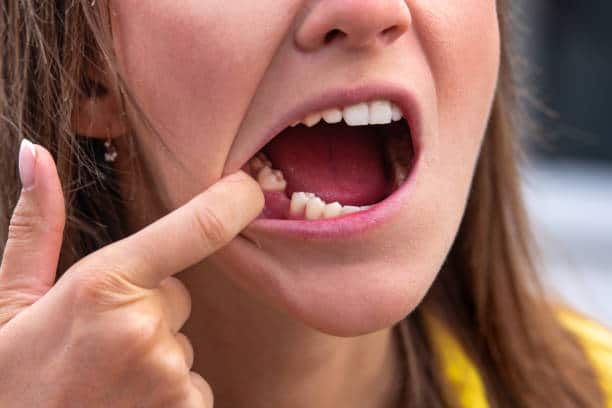
Losing a tooth as an adult is more common than most people realise. It can happen because of decay, gum disease, an injury, or an extraction that was unavoidable. And once the immediate discomfort has settled, it’s tempting to simply move on, especially if the gap isn’t visible when you smile. But here’s what many people don’t consider: a missing tooth doesn’t just leave a gap in your smile. It sets off a chain of events in your mouth that, over time, can affect your other teeth, your jawbone, your bite, and even your facial appearance. The longer the gap is left untreated, the more complex the consequences become.
At Nairobi Sterling Dental Clinic, we see the effects of ignored missing teeth regularly. This article is our honest, straightforward account of what actually happens when a missing tooth is left unaddressed, and what your options are for fixing it.
It Starts With the Bone
Every tooth has a root that sits in the jawbone. When you chew, bite, or even just clench your teeth, the root transmits pressure into the bone. This stimulation signals the body to maintain the bone tissue in that area. It is essentially telling it that the bone is needed and should be preserved.
When a tooth is lost, that stimulation disappears. The body, remarkably efficient at reallocating resources, begins to reabsorb the bone in the area where the root used to be. This process is called bone resorption, and it begins within weeks of a tooth being lost. Over months and years, the jawbone in that area shrinks. This has consequences that go far beyond the gap itself.
What Happens to the Surrounding Teeth
Your teeth are not fixed, isolated units. They exist in a system, and every tooth plays a role in keeping the others in place. When one is removed, the balance of that system is disrupted.
Neighbouring teeth begin to shift.
Teeth naturally drift towards open spaces. The teeth on either side of the gap will gradually tilt inward, while the tooth directly above or below the gap, in the opposing jaw, will begin to grow downward or upward into the empty space. This is called supraeruption or over-eruption. It can happen slowly enough that you don’t notice until significant movement has already occurred.
Bite problems develop.
As teeth shift and over-erupt, the way your upper and lower teeth meet, i.e, your bite, changes. An uneven bite puts unequal pressure on certain teeth, accelerating their wear and increasing the risk of cracks and fractures. It can also lead to jaw pain and problems with the joint that connects your jaw to your skull.
Cleaning becomes harder.
Shifted and tilted teeth create new angles and tight spaces that are difficult to clean properly. This increases the risk of plaque buildup, cavities, and gum disease in the teeth surrounding the gap, meaning one missing tooth can eventually compromise several others.
The Impact on Your Appearance
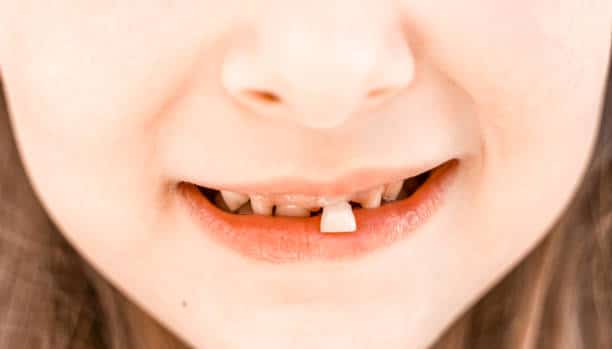
The jawbone changes that follow tooth loss don’t just affect function. They affect how you look. As bone resorbs in the area of the missing tooth, the gum tissue above it also recedes and flattens. Over time, this can create a sunken or hollow appearance in that part of the face. In cases where multiple teeth are missing. It can also happen where a single tooth has been missing for many years. The effect on facial structure can become quite pronounced, contributing to a prematurely aged appearance.
This is particularly noticeable in the lower jaw, where bone loss can cause the chin to rotate upward and the lower third of the face to shorten. It’s a consequence that most people simply don’t anticipate when they decide to leave a gap untreated.
The Effect on Eating and Speaking
A missing tooth, especially a molar, can noticeably affect your ability to chew properly. Molars are the workhorses of the mouth, responsible for grinding food before it’s swallowed. Losing one means the remaining teeth absorb more of the chewing load, increasing their wear over time.
Many people with missing teeth unconsciously adapt by chewing only on one side of the mouth. This uneven chewing pattern places excessive stress on that side’s teeth and jaw muscles and can contribute to jaw pain, headaches, and uneven tooth wear.
Missing front teeth, meanwhile, can affect speech, particularly the pronunciation of certain sounds that rely on the tongue making contact with the back of the front teeth. This can affect confidence in social and professional situations.
The Psychological Impact
It would be incomplete to talk about missing teeth without acknowledging the emotional dimension. A gap in your smile can affect how you feel about yourself. Many patients tell us they feel self-conscious in social situations, avoid smiling in photos, or feel that their appearance has aged. These feelings are valid and deserve to be taken seriously.
Confidence in your smile is not a vanity. It’s connected to your willingness to engage socially, your professional presence, and your overall sense of wellbeing. Addressing a missing tooth is as much about quality of life as it is about clinical necessity.
Your Options for Replacing a Missing Tooth
The good news is that modern dentistry offers excellent solutions for replacing missing teeth. These are solutions that look natural, feel comfortable, and protect the long-term health of your mouth. Here are the main options:
Dental implants.
Widely regarded as the gold standard for tooth replacement, a dental implant consists of a titanium post that is placed into the jawbone, topped with a realistic-looking crown. Because the implant integrates with the bone, it prevents bone resorption and functions almost exactly like a natural tooth root. With proper care, implants can last a lifetime. They are the closest thing modern dentistry has to replacing a natural tooth in both form and function.
Dental bridges.
A dental bridge fills the gap by anchoring an artificial tooth to the natural teeth on either side of the space. It’s a well-established, effective solution that restores appearance and function without surgery. The trade-off is that the neighbouring teeth need to be prepared to support the bridge, which is worth considering.
Partial dentures.
A removable partial denture is a more affordable option for replacing one or more missing teeth. Modern dentures are far more natural-looking and comfortable than their predecessors, though they require removal for cleaning and may feel less stable than implants or bridges.
The right option for you will depend on factors including the location of the missing tooth, the health of the surrounding teeth and bone, your lifestyle, and your budget. At Sterling Dental, we’ll assess your specific situation thoroughly and walk you through the options honestly — so you can make an informed decision that works for you.
When Should You See a Dentist?
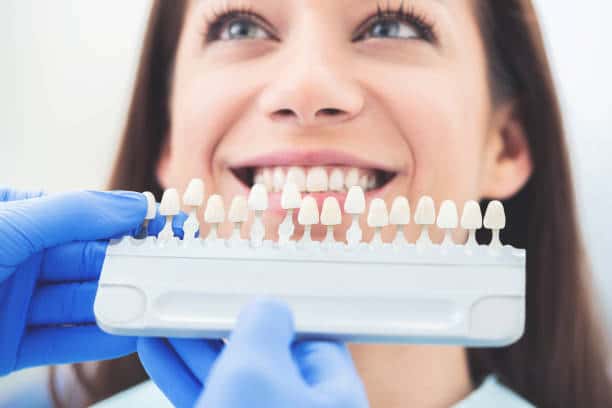
If you have a missing tooth, whether it was recently lost or has been gone for some time, the right time to seek advice is now. The sooner a replacement is considered, the more bone is preserved, and the more straightforward treatment tends to be.
Book an appointment at Sterling Dental if:
- You have a missing tooth that hasn’t been replaced
- You’ve noticed neighbouring teeth shifting, or your bite feels different
- You’re experiencing jaw pain, headaches, or difficulty chewing
- You’re self-conscious about a gap in your smile
- You had a tooth extracted some time ago and were told to consider a replacement, but haven’t yet followed up
Even if significant time has passed since the tooth was lost, treatment is still possible. It may simply involve additional steps such as bone grafting before an implant can be placed. Don’t let the passage of time put you off seeking advice.
How We Can Help at Sterling Dental Clinic
At Nairobi Sterling Dental Clinic, we offer comprehensive tooth replacement solutions including dental implants, bridges, and dentures. Our experienced team will carry out a thorough assessment, such as X-rays, to evaluate your bone levels and recommend the most suitable option for your individual situation.
We understand that tooth replacement is a significant decision, and we take the time to explain every option clearly, including what each procedure involves, how long it takes, and what the investment looks like. Our goal is to help you make a confident, informed choice. A complete, healthy smile is absolutely achievable. Let’s work towards it together. Call us on +254 762 223 925 or visit our clinic on the 6th Floor at Park Suites, Parklands, Nairobi. We are here to serve you and help you regain your smile, confidence and oral health.