
You’ve finally booked that teeth cleaning appointment, the one you’ve been putting off for a few months longer than you’d like to admit😉. And now, sitting in the waiting room, you realise you’re not entirely sure what’s about to happen. Will it hurt? How long will it take? What is the dentist actually doing in there?
If that sounds familiar, you’re far from alone. At The Nairobi Sterling Dental Clinic, one of the most common things patients say before a cleaning appointment is some version of “I’m not sure what to expect.” And that uncertainty is often what makes people put off the appointment in the first place. So let’s fix that. Here is a step-by-step guide to exactly what happens during a professional teeth cleaning at our clinic.
Why Is Professional Teeth Cleaning Necessary?
The truth is, even the most diligent home care routine has its limits. Over time, plaque, which is the soft, sticky film of bacteria that forms on teeth, hardens into a substance called tartar. Once plaque has calcified into tartar, it cannot be removed by a toothbrush or floss, no matter how thoroughly you use them. Tartar buildup along and beneath the gumline is one of the primary drivers of gum disease, tooth decay, and persistent bad breath.
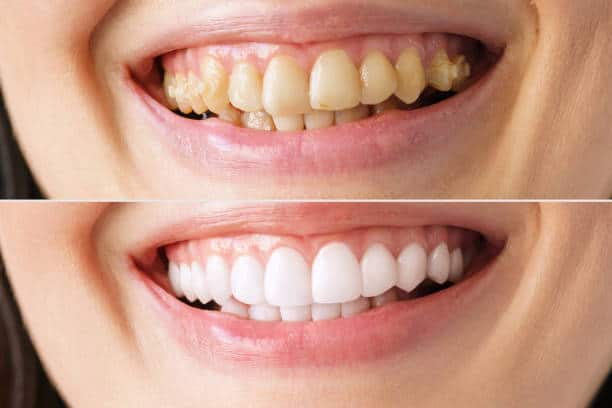
A professional teeth cleaning removes this tartar, clears away surface staining, and gives your gums a chance to heal and remain healthy. It’s not a luxury. It’s an essential part of maintaining good oral health that simply cannot be replicated at home.
Step 1: An Initial Assessment
Before the cleaning begins, your dental professional will take a few minutes to assess the current state of your teeth and gums. This involves a visual examination of each tooth and the surrounding gum tissue, checking for any areas of concern, such as signs of gum disease, cavities, unusual wear, or anything else that might need attention either during or after the cleaning.
In some cases, particularly if it’s your first visit or if it’s been a while since your last checkup, X-rays may be taken at this stage to give a clearer picture of what’s happening beneath the surface. This initial assessment is important because it helps your dental professional tailor the cleaning to your specific needs and flag anything that warrants a closer look.
Step 2: Scaling – Removing Tartar and Plaque
This is the core of the professional cleaning process, and it’s the step that makes the biggest difference to your oral health. Using a small, specialised instrument called a scaler, your dental hygienist or dentist carefully removes the tartar and plaque that has accumulated on the surfaces of your teeth, between them, and along the gumline. They could use either a manual hand scaler or an ultrasonic scaler.
The ultrasonic scaler, which many modern clinics including Sterling Dental use, works by vibrating at a high frequency to break up tartar deposits, while a gentle stream of water flushes away the debris. It makes a mild humming sound and produces a sensation that patients typically describe as a light vibration or tickling. It is not painful, though occasionally slightly sensitive around areas where tartar buildup is heavier or gums are inflamed.
Manual scalers are used to reach more precise areas and to finish off any deposits that the ultrasonic scaler hasn’t fully cleared. Your dental professional will work methodically around every tooth, including the spaces between teeth and just below the gumline where tartar tends to accumulate most significantly.
It’s worth noting that if your gums bleed slightly during scaling, this is not a cause for alarm. It’s actually a sign that the gum tissue is inflamed due to the presence of bacteria and tartar. In most cases, consistent professional cleaning combined with improved home care resolves this inflammation over time.
Step 3: Polishing – Smoothing and Brightening the Tooth Surfaces
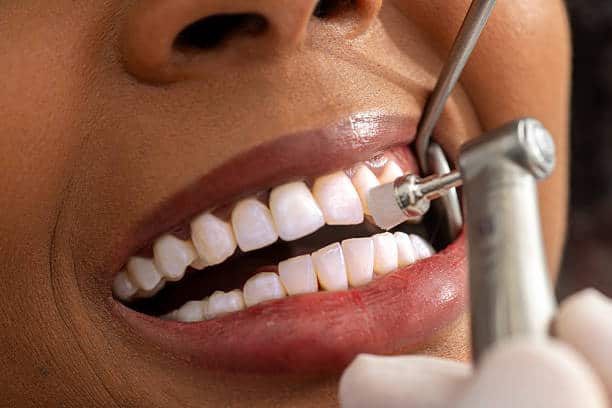
Once the scaling is complete and the tartar has been removed, the next step is polishing. This is done using a small, rotating rubber cup or brush attached to a dental handpiece, along with a mildly abrasive paste called prophylaxis paste, or prophy paste for short.
The polishing process serves two purposes. First, it removes surface stains, the kind left behind by tea, coffee, and other pigmented foods and drinks, leaving the teeth looking noticeably cleaner and brighter. Second, and perhaps more importantly, it smooths the surface of the enamel. A smoother tooth surface is significantly harder for plaque to adhere to. This means the results of your cleaning last longer and your home care routine becomes more effective in the days and weeks that follow.
Step 4: Flossing
After scaling and polishing, your dental professional will floss between every tooth to remove any remaining debris from the areas between teeth that even the best scaling and polishing may not fully clear. This step also allows the hygienist to check the tightness of the spaces between teeth and assess the health of the gum tissue in those areas.
Step 5: Rinsing
A thorough rinse, usually with water or an antimicrobial mouth rinse, follows the flossing to flush away all remaining debris, paste, and loose particles. This leaves the mouth feeling fresh and clean, and gives both you and the dental professional a clear view of the teeth in their cleaned state.
Step 6: Fluoride Treatment – Where Recommended
In some cases, your dental professional may recommend a fluoride treatment at the end of the cleaning. Fluoride helps to strengthen the enamel, making teeth more resistant to decay, and is particularly beneficial for patients who are prone to cavities or who have areas of early enamel erosion.
The fluoride is applied as a gel, foam, or varnish directly to the teeth and left for a short period before being rinsed off or, in the case of varnish, left to absorb naturally. It’s a quick, painless step that adds a meaningful layer of protection, especially for children and patients with a higher cavity risk.
Step 7: Review and Personalised Advice
A good professional cleaning doesn’t end when the instruments are put down. Before you leave, your dental professional will take a moment to share observations from the cleaning. They may discuss areas where plaque or tartar was particularly heavy, signs of gum inflammation, any concerns about specific teeth, etc. and offer personalised advice on how to improve your home care routine.
This might include guidance on brushing technique, flossing, the use of interdental brushes or a water flosser, or dietary habits that are affecting your teeth. In our experience at Sterling Dental Clinic, this conversation is often where patients get the most value from their appointment. This is because it’s advice tailored specifically to their mouth, not generic tips copied from a leaflet.
How Long Does a Professional Teeth Cleaning Take?
A standard professional cleaning at Sterling Dental typically takes between 45 minutes and an hour. This depends on how much tartar has accumulated and whether any additional steps such as Dental X-rays or a deeper assessment are required. For patients who come in regularly every six months, appointments tend to be quicker because there is less buildup to remove. For those returning after a longer gap, the process may take a little longer, but it’s always worth it.
Does a Professional Teeth Cleaning Hurt?
For most patients, a professional teeth cleaning is entirely comfortable. There may be moments of mild sensitivity, particularly around areas where tartar buildup is heavier or where gums are inflamed, but these are brief and manageable. If you have particularly sensitive teeth or significant gum disease, let your dental professional know before the appointment begins. We can adjust our approach, work more gently in sensitive areas, and ensure you’re comfortable throughout.
If you experience significant discomfort at any point during a cleaning, you should always feel free to raise your hand and let the dental professional know. A good dental team will pause, check in, and adjust accordingly.
How Often Should You Have a Professional Teeth Cleaning?
For most adults, a professional cleaning every six months is the standard recommendation. However, this isn’t a one-size-fits-all answer. Patients with a history of gum disease, those who smoke, those with diabetes, or those who are particularly prone to tartar buildup may benefit from more frequent cleanings. This can be up to three to four months in some cases. Your dentist will advise on the right schedule for your individual needs.
When Should You See a Dentist?
You should book a professional teeth cleaning at Sterling Dental if:
- It has been six months or more since your last professional cleaning
- Your gums bleed when you brush or floss
- You notice persistent bad breath that doesn’t improve with brushing
- Your teeth feel rough, coated, or look visibly stained
- You’ve never had a professional cleaning before and want to understand the state of your oral health
- You’re about to start orthodontic treatment or have recently completed it
Take Away
A professional teeth cleaning is one of the simplest, most effective things you can do for your oral health. Now that you know exactly what it involves, there’s really nothing to be nervous about. At Nairobi Sterling Dental Clinic, just like any other of our services, our teeth cleaning appointments are thorough, gentle, and tailored to your individual needs, carried out by experienced dental professionals in a warm, welcoming environment.
Whether you’re coming in for the first time or returning after a gap, we’ll make sure you leave with a mouth that feels genuinely clean and a clear picture of how to keep it that way. Call us on 0762 223 925, visit us at the 6th Floor, Park Suites, Parklands, Nairobi, or book your appointment with our team.Your teeth will thank you afterwards.