
Early Signs Every Parent Should Watch For
As a parent, you notice everything about your child. You notice the way they laugh, the way they sleep, and yes, the way their teeth are coming in. Maybe you’ve spotted something that doesn’t look quite right, or perhaps another parent mentioned their child is already seeing an orthodontist, and now you’re wondering whether you should be paying closer attention too. Or maybe, you are wondering if your child needs braces or other orthodontic treatmentsYou’re asking the right questions. Orthodontic problems are almost always easier and less expensive to address when they’re caught early. The challenge is knowing what to look for and when to act.
At Nairobi Sterling Dental Clinic, we work with children and teenagers across Nairobi, and orthodontic consultations are one of the most common reasons parents bring their kids in. This article is our attempt to give you a clear, practical guide, so you feel informed and confident, not anxious.
At what age should you start paying attention?
There’s a common assumption that braces are a teenage thing. It’s something you deal with around 13 or 14. And while many children do get braces during their teenage years, the ideal time to first have an orthodontic assessment is actually much earlier.
Most orthodontists recommend that children have their first orthodontic evaluation around age 7. This doesn’t mean your child will need braces at 7. In fact, most won’t. But by this age, enough adult teeth have come through for a dentist to identify developing patterns that might need attention later. Spotting these early means we can monitor, plan, and in some cases intervene at exactly the right time to make treatment simpler and more effective. Think of it less as “does my child need braces now?” and more as “what’s the best time to act, and are we prepared?”
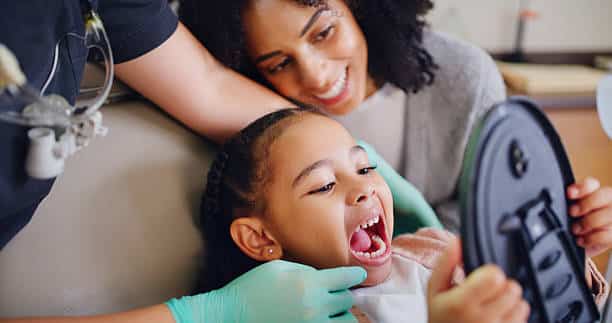
Early Signs to Watch For in Young Children (Ages 5–10)
Children’s mouths change rapidly during these years as baby teeth fall out and adult teeth begin to emerge. Here are the signs that warrant a closer look:
Teeth that are crowded or overlapping.
If the adult teeth coming through don’t seem to have enough room and are pushing each other out of alignment, this is one of the clearest early indicators that orthodontic treatment may be needed.
Large gaps between teeth.
While some spacing is normal when baby teeth are still present, excessive gaps between adult teeth, particularly the front ones, can indicate that teeth aren’t positioned as they should be.
Difficulty chewing or biting.
If your child frequently complains that chewing is uncomfortable, or if you notice them favouring one side of their mouth, this could point to a bite issue worth investigating.
Mouth breathing.
Children who consistently breathe through their mouth rather than their nose, especially during sleep, may have an underlying jaw or airway issue. This can influence how the teeth and jaw develop over time.
Thumb sucking or prolonged dummy use beyond age 4.
These habits can affect the shape of the palate and the alignment of the front teeth if continued past toddlerhood. The earlier this is addressed, the better.
Baby teeth falling out too early or too late.
Baby teeth that fall out significantly earlier or later than expected can disrupt the path that adult teeth follow as they emerge. If you’re unsure whether your child’s tooth loss timeline is on track, it’s worth asking your dentist.
Teeth that don’t meet properly.
Watch how your child’s teeth come together when they close their mouth. If the upper and lower teeth don’t seem to line up, or if the front teeth don’t touch at all. This is something a dentist should evaluate.
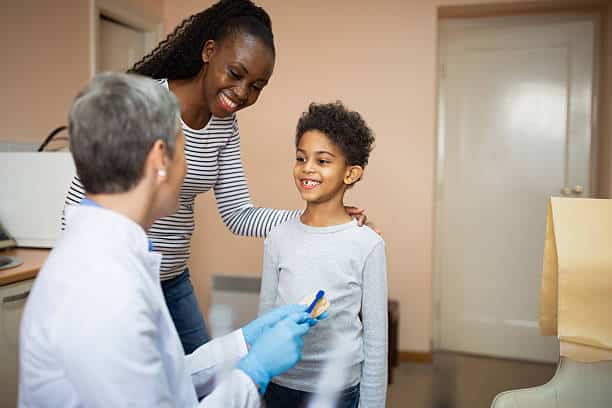
Signs to Watch For in Tweens and Teens (Ages 10–16)
By the time children reach their tween and early teen years, most of their adult teeth are in place, making orthodontic assessment more straightforward. This is also the window when braces are most commonly fitted. The jawbone is still growing, which makes teeth more responsive to orthodontic treatment.
Key signs at this age include:
Visibly crooked or misaligned teeth.
This is the most obvious sign and the one most parents notice first. Teeth that are twisted, tilted, or growing in the wrong direction are clear candidates for orthodontic attention.
An overbite.
An overbite is when the upper front teeth significantly overlap the lower front teeth. A mild overbite is normal, but a pronounced one can cause problems with chewing, speech, and even jaw pain over time.
An underbite.
The opposite of an overbite, where the lower teeth sit in front of the upper teeth when the mouth is closed. Underbites tend to become more pronounced as the jaw grows, so early intervention is particularly important here.
A crossbite.
This is when some upper teeth sit inside the lower teeth rather than outside them. It can affect one tooth or several, and can cause uneven wear and jaw issues if left untreated.
An open bite.
When the front teeth don’t touch at all when the mouth is closed, this is called an open bite. It can affect speech and chewing, and is often linked to habits like thumb sucking or tongue thrusting.
Self-consciousness about their smile.
Teenagers are acutely aware of their appearance, and if your child is covering their mouth when they smile, avoiding photos, or expressing unhappiness about their teeth, it’s worth taking seriously. This is both for their dental health and their confidence.
Jaw sounds or discomfort.
Clicking, popping, or pain in the jaw joint can sometimes be connected to bite issues. If your teenager mentions jaw discomfort, don’t dismiss it.
Common Parental Concerns
“My child is too young for braces.”
The right age for braces varies from child to child. Some children benefit from early interceptive treatment. This is a phase of treatment designed to guide jaw growth and create space before all the adult teeth arrive. Others are better served by waiting until the adult teeth are fully in. An orthodontic consultation doesn’t commit you to anything. It simply gives you the information you need to make the best decision for your child.
“My child will be teased for wearing braces.”
This concern is very common and very understandable. The reality today, however, is that braces are remarkably common among school-age children, and in many social circles, they’re simply part of growing up. Modern options like clear aligners and ceramic braces also make treatment far less visible than the metal braces of years past. A conversation with your child about what to expect can go a long way.
“We can’t afford braces right now.”
Orthodontic treatment is an investment, and we understand that timing matters. What we’d encourage is getting the consultation done regardless. Knowing where your child stands allows you to plan ahead. Delaying treatment unnecessarily can sometimes mean more complex and more costly treatment later. At Sterling Dental, we’re happy to discuss your options and help you understand what’s involved before you commit to anything.
“My child’s teeth will sort themselves out.”
Unfortunately, most orthodontic problems don’t resolve on their own. Crowding, bite issues, and misalignment tend to stay as they are or worsen over time. A professional assessment is the only reliable way to know whether watchful waiting is appropriate or whether action is needed.
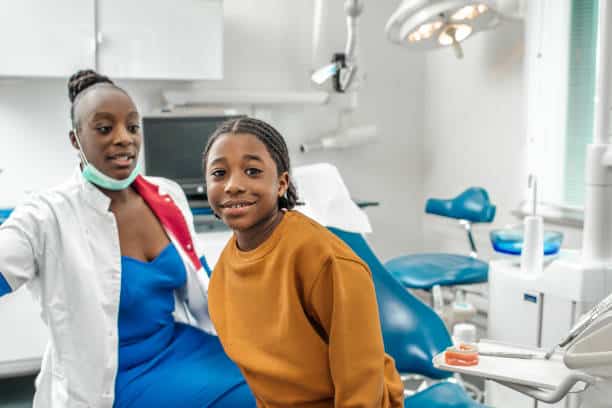
When Should You See a Dentist?
Book an orthodontic consultation at Sterling Dental if:
- Your child is around 7 years old and hasn’t had an orthodontic assessment yet
- You’ve noticed any of the signs mentioned above at any age
- Your child’s baby teeth fell out significantly early or late
- Your child complains of jaw pain, difficulty chewing, or problems with speech
- Your teenager is unhappy with their smile, and it’s affecting their confidence
- Your dentist has flagged a potential orthodontic concern at a routine checkup
There’s no harm in getting an early opinion. In fact, the earlier you come in, the more options are available to you.
How We Can Help at Sterling Dental
Orthodontic treatment is one of our areas of expertise at Nairobi Sterling Dental Clinic. We offer a range of dental braces options, including traditional metal braces, ceramic braces, and clear aligners. Our team will take the time to explain which is most suitable for your child’s specific situation, age, and lifestyle.
Every orthodontic journey at Sterling begins with a thorough consultation, including an examination and X-rays where needed, so we have a complete picture before recommending any course of action. We’ll walk you and your child through everything, answer all your questions, and make sure you both feel comfortable and informed before any treatment begins.
We take care of patients of all ages, from young children coming in for early assessments, to teenagers mid-treatment, to adults who want to explore their options, too. We are your one-stop dental care partners for the whole family. You can contact us today via +254 762 223 925 for enquiries or any concerns you might have. Our clinic is located at the Park Suites in Parklands, Nairobi. You are welcome for the whole family dental care experience.